Jurema Preta | Jurema Preta Root Bark
Jurema Preta, Jurema Preta Root Bark. Jurema Preta, a perennial tree indigenous to northeastern Brazil and other regions of Latin America, is scientifically known as Mimosa tenuiflora, or Mimosa hostilis. It has long been an element of spiritual and healing ceremonies in Indigenous traditions, especially in Brazil. The plant is important in the context of entheogenic rituals because its root bark contains the potent hallucinogenic substance dimethyltryptamine (DMT).
Jurema Preta | Characteristics
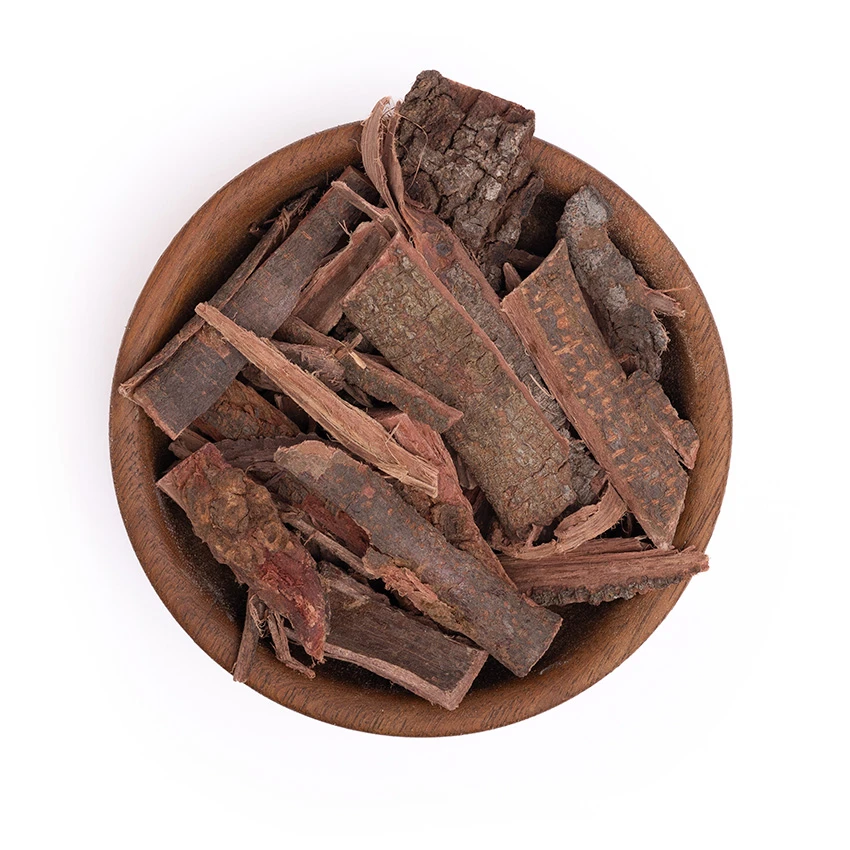
- Appearance: The little Jurema Preta tree has fragrant white flowers, feathery foliage, and prickly branches. Its fibrous bark has a reddish-brown color.
- Chemical Profile: DMT is present in the root bark, along with other alkaloids and tannins. Because Jurema Preta does not naturally contain MAO inhibitors, unlike Ayahuasca, its psychedelic effects are restricted unless it is coupled with other herbs.
- Habitat: It thrives in semi-arid regions of Brazil and is resilient to drought.
- Traditional Role: Jurema Preta has been employed by indigenous peoples in ceremonial brews, commonly known as “Jurema wine,” for healing and spiritual visions.
Jurema Preta Root Bark | Effects
- Psychological symptoms include intense visual and auditory hallucinations, altered spatial and temporal awareness, introspection, and a sense of connection.
- Physiological: There may be nausea, lightheadedness, and variations in heart rate.
- Subjective Experience: Mystical visions, emotional release, and a feeling of oneness with spiritual or natural worlds are frequently reported by participants
Research-Based Benefits
Despite being less researched than Ayahuasca, JuremaPreta has garnered attention due to its use in both traditional and contemporary entheogenic practices:
- Spiritual Healing: Indigenous ceremonies place a strong emphasis on their ability to provide participants with spiritual guidance and ancestral wisdom.
- Emotional Processing: Similar to other herbs that contain DMT, Jurema Preta may help with trauma processing and emotional breakthroughs in ceremonial settings.
- Potential Therapeutic Use: Although further research is required specifically on Jurema, preliminary findings indicate that DMT-containing plants may promote neuroplasticity, improving psychological rehabilitation. Preta.
- Cultural Importance: In Brazilian customs, JuremaPreta has profound cultural and spiritual value that goes beyond pharmaceuticals and promotes identity and community.
In conclusion
The mystical Brazilian plant JuremaPreta (Mimosa tenuiflora) is essential to ancient entheogenic activities because its root bark contains DMT. It has strong psychedelic potential when made in ritual brews and is resilient in severe regions. Research and Indigenous traditions emphasize its importance in spiritual healing, emotional processing, and cultural identity, despite the hazards associated with recreational use.
| Quantity | 250g, 500g, 1kg, 3kg |
|---|
Be the first to review “Jurema Preta”
Related products

Ayahuasca For Sale
Ayahuasca For Sale
Ayahuasca For Sale
Ayahuasca For Sale
Ayahuasca For Sale

Ayahuasca For Sale

Ayahuasca For Sale

Ayahuasca For Sale
Reviews
There are no reviews yet.